


 Download PDF
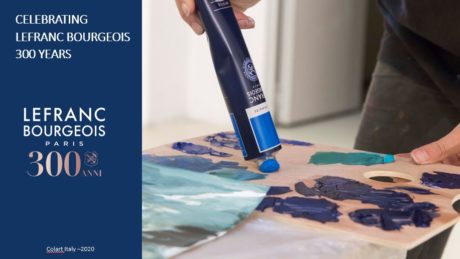
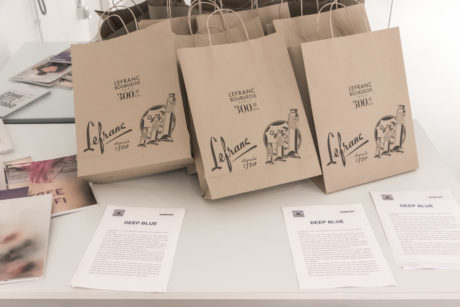
At the beginning of the year, we published an article that highlighted the launch of a unique collaboration with art magazine, InsideArt and Lefranc Bourgeois, as one of the many activations included in the brand’s 300th anniversary.
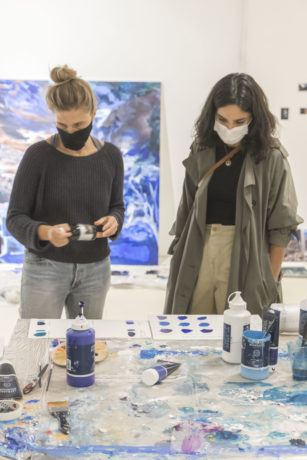
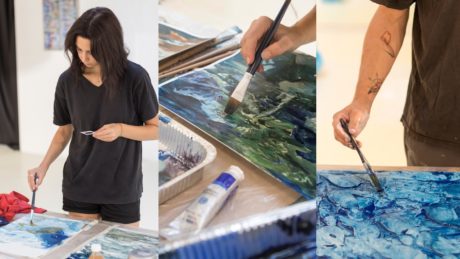
The collaboration included a year full of different activities and culminated in a two-week artist residency hosted at the Fondamenta Gallery in Rome.
The initiative was distributed online through InsideArt social media channels and published in two newsletters and within Colart networks in Italy.
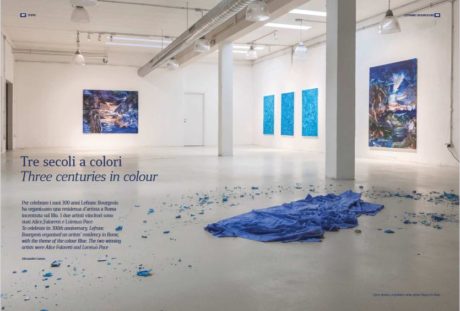
To qualify for the residency artists needed to be under 40 and a resident of Italy. With over 130 applications, a professional panel judged the artist’s work and selected two winners, Alice Faloretti and Lorenzo Pace.
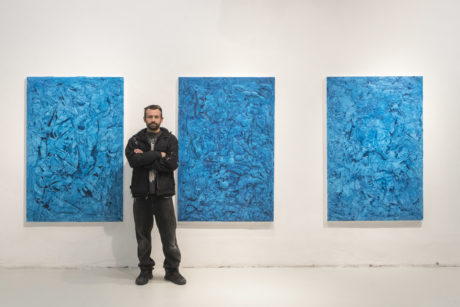
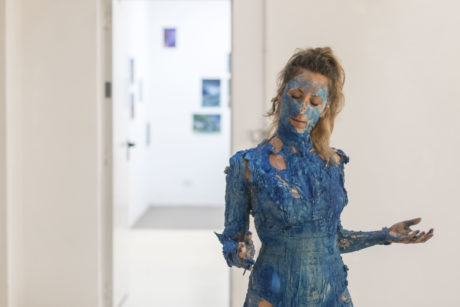
“Deep Blue” was the theme for the residency. Blue being the colour that historically characterizes the brand. The artist brief was to produce a piece of work that demonstrated the importance and expressiveness of the colour blue, through experimentation, research, technique and composition.
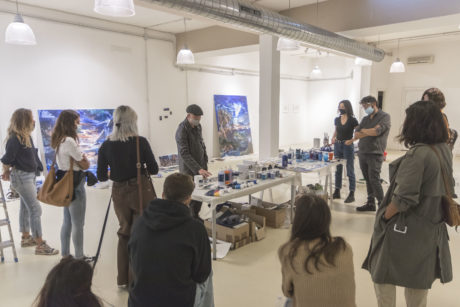
In addition to the two-weeks residency, a studio visit and a demonstration session with the resident artist Guido D’Angelo was arranged for students of Rome Fine Art Academy.
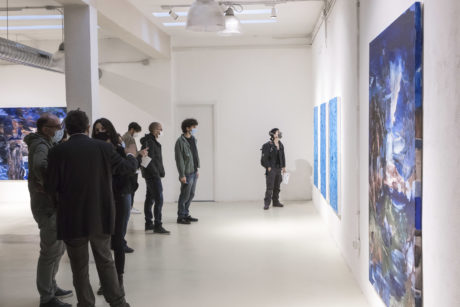
At the end of the residency, artists exhibited their final works for a limited number of guests through an open studio held on 3rd October.
About the artists:
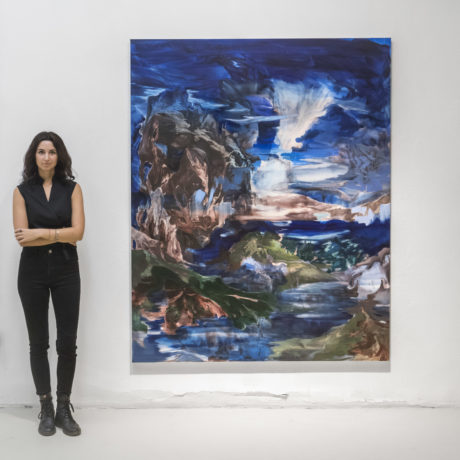
As artists, Alice Faloretti and Lorenzo Pace differ in style but united by an intense passion for the technique of painting.
With access to the premium range of products, these artists were able to express the potential of colour in painting. In using the “Deep Blue theme, Alice and Lorenzo’s final works delivered an authentic narrative, that was both harmonious and poetic.
Thierry Collot, General Director of Lefranc Bourgeois, emphasized” The goal of our work is to give artists the freedom to express themselves – this is our prerogative. They must be able to liberate their emotions because art is emotion. Our job is to not hesitate in supporting them technically in their research so that we can facilitate their inspiration and their creative process. We have achieved this, and we have been repaid with precisely what we were looking for: an emotion.”
Would you like to know more?