Insights From Finance: A Summary of FC1 Results
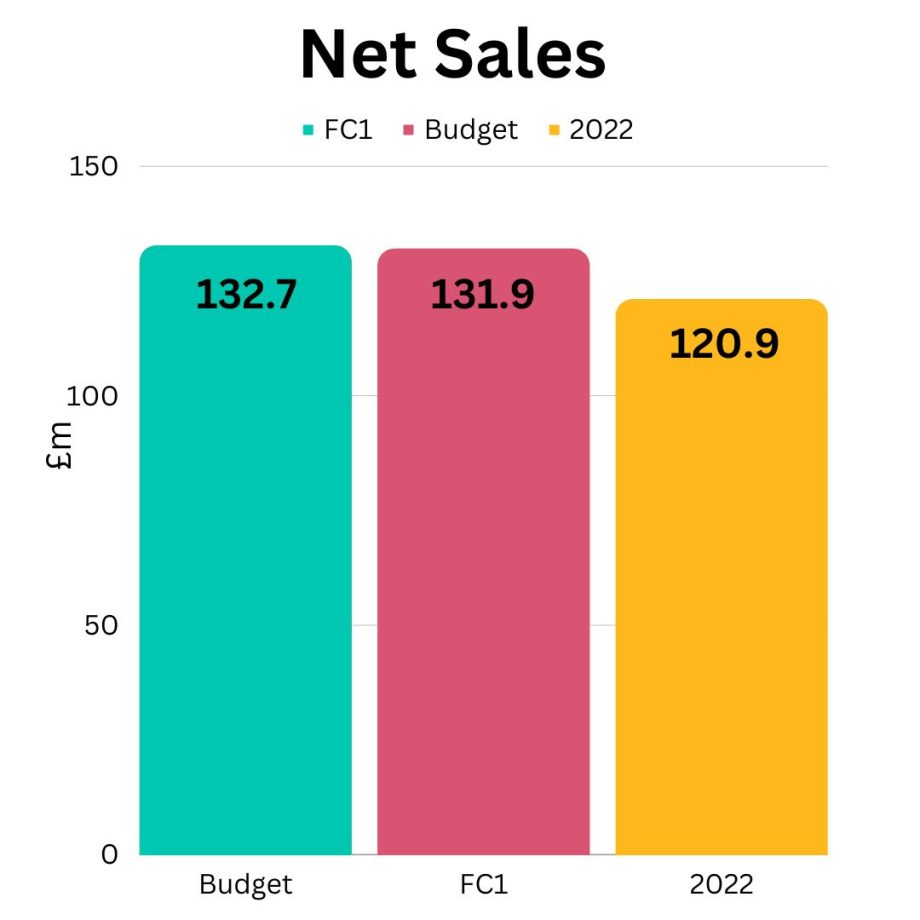
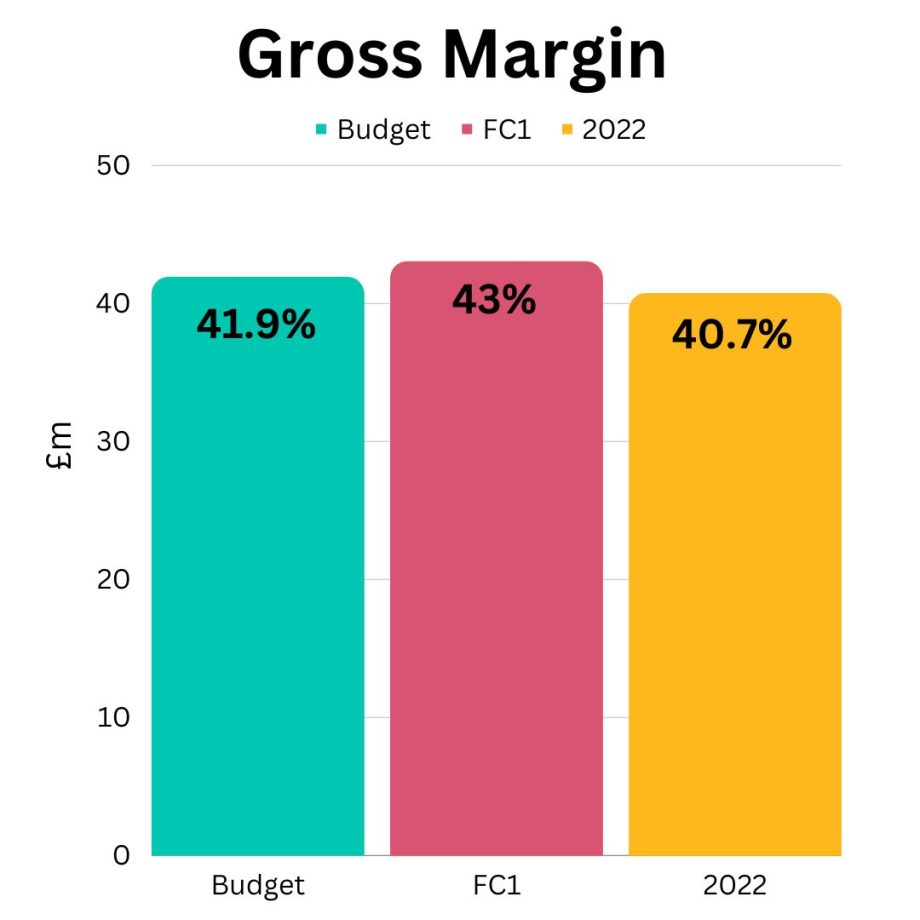
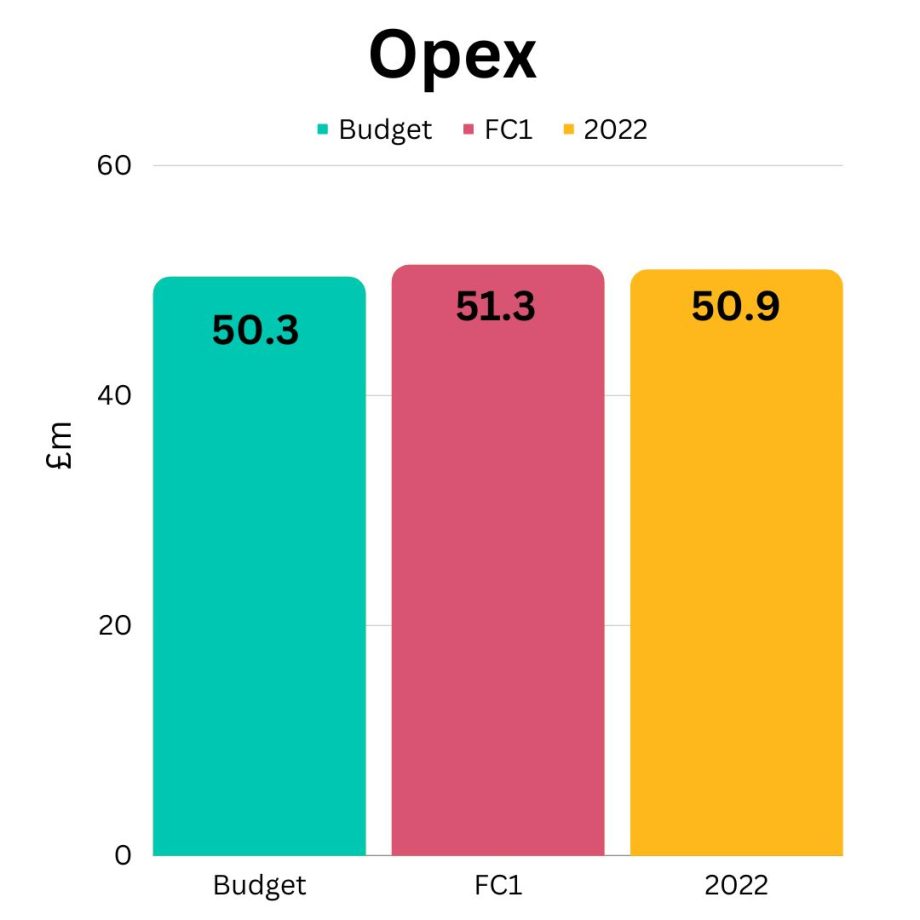
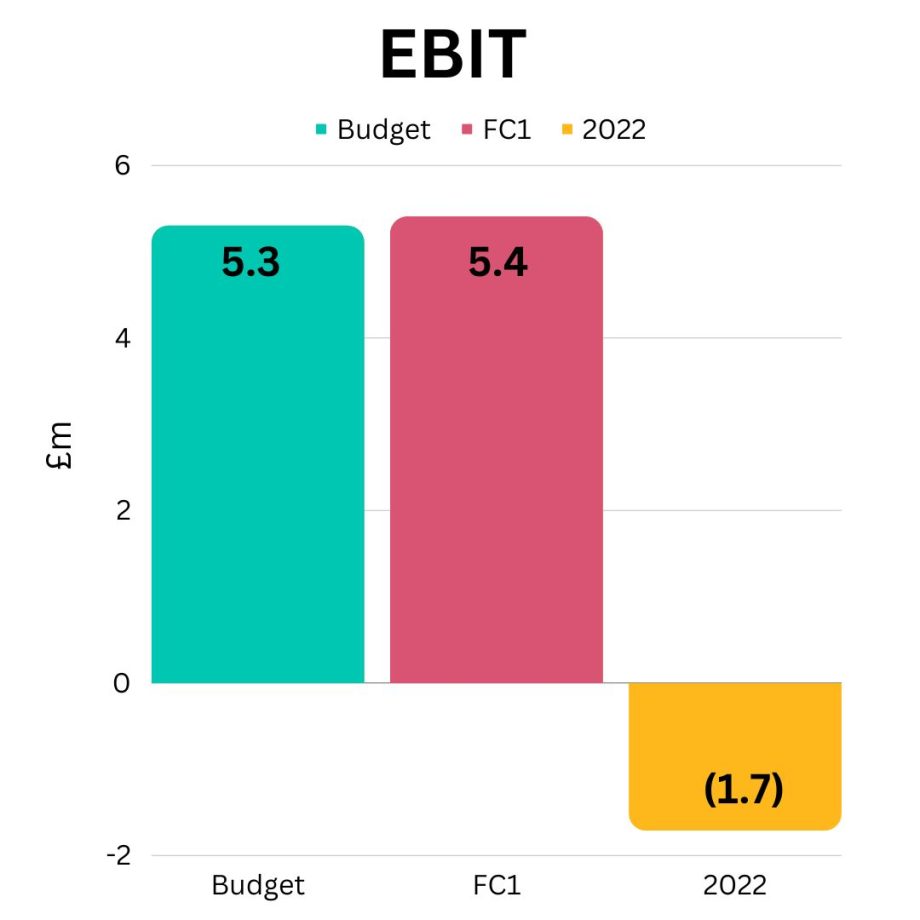
The town hall meeting at the beginning of May saw guest speakers from the Finance Team Benjamin Hodgson, Bernardo Rojas, Jonathan Spight and Liam O’Sullivan, who, in an engaging dialogue, demystified the FC1 (Forecast 1) process. With FC1 now finalised, we detail the results and share commentary, as reflected in the graphs and accompanying text below.
Overall sales are slightly less than Budget with budget pricing strategy being successfully implemented. However, it is important to highlight that there have been volume reductions observed across Europe, particularly in Northern Europe. This decline can be attributed to the ongoing decrease in consumer spending on art materials in the region.
In addition, the United Kingdom has faced its own set of challenges in the art materials industry. Specifically, action has been taken against Jacksons, a prominent player in the market, due to a contractual breach related to their export activities to the United States.
There have been some positive developments to report in the areas of freight, raw materials, manufacturing, and distribution. Our Purchase Price Variance (PPV) in freight and raw material have been favourable, contributing to overall cost savings and improved financial performance.
Furthermore, fixed costs are lower across our manufacturing and distribution sites in response to low factory and logistics utilisation, though this reduction does not fully compensate for the impact of low manufacturing and distribution volumes.
By optimising our operations, continuing to implement cost-saving initiatives and optimising resource allocation, we aim to maximise efficiency, improve profitability, and therefore position ourselves for success in a challenging business environment.

We remain steadfast in our commitment to tight cost management, which serves as a crucial strategy to mitigate the risks posed by uncertain global economics.
There has been an increase in our operating costs vs Budget, driven primarily due to organisation costs not anticipated in the budget but temporary and made to optimise our operations, capture synergies and maintain strong leadership in the CEO’s transition.
Despite incurring unbudgeted Opex costs we have managed to maintain our budget EBIT through various strategic measures and the improvement in our gross margin.
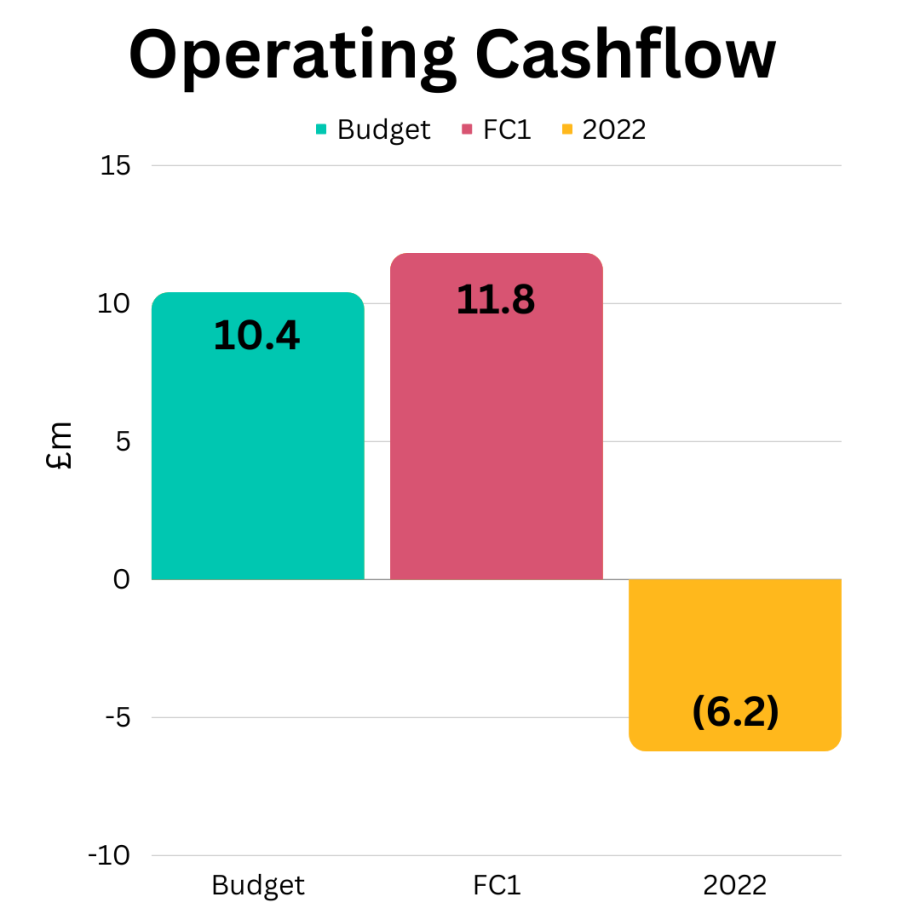
We have seen improvement in our OCF (Operating Cash Flow), and this positive development can be attributed to a reduction in our working capital, specifically in the areas of Other Accounts Receivable and Accounts Payable.