


COP26 – What does it mean for Colart?
 Download PDF

Read the English version below.
A pivotal moment in the fight against climate change.
For the first time during COP21 in Paris in 2015, every country agreed to work together to limit global warming to well below 2 degrees and aim for 1.5 degrees, adapt to the impacts of a changing climate, and make money available to deliver on these aims.
Under the Paris Agreement, countries committed to bringing forward national plans setting out how much they would reduce their emissions – known as Nationally Determined Contributions, or ‘NDCs’.
COP26 is the 2021 United Nations climate change conference. The run-up to this year’s summit in Glasgow is the moment (delayed by a year due to the pandemic) when countries update their plans for reducing emissions.
We have been measuring our climate impact for ten years now, and it has been a learning curve. It is easy to understand why we calculate profits and losses but not so easy when talking about climate.
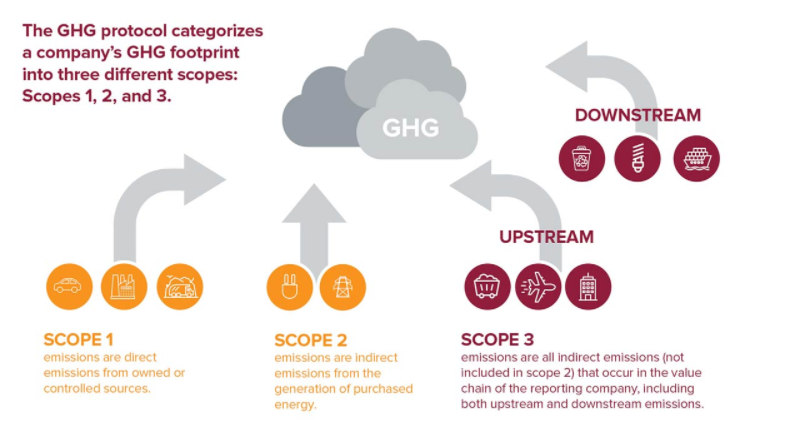
Our climate assessments measure greenhouse gases (GHG) across three scopes:
Scope 1 – Energy, specifically gas from fossil fuels
Scope 2 – Purchased energy, specifically electricity
Scope 3 – Freight, packaging, waste
Scope 1
Ideally, we should remove fossil fuel consumption through our operations; however, this is not possible today due to the lack of infrastructure and investment in cleaner alternative natural energy.
NEXT STEP? To reduce our consumption, eliminating any unnecessary usage. Replacing old boilers and equipment will improve our efficiency and lessen the emissions in Scope 1. Offset what is left to mitigate the Carbon emissions in Scope 1
Scope 3
It is the largest of the scopes and, for Colart, the most unknown. Today we measure our freight, focusing on the mode of transport and mile/km travelled. The impact varies depending on whether we ship by air, sea, or road. In 2020 we halved our emissions primarily due to the fact that we reduced our air freight to zero, albeit by default.
Freight is only a small part of Scope 3 and yet already makes up the most significant part of our emissions.
We need to measure our suppliers’ impact, which relates to us. This includes weight of materials delivered, distance travelled, country of origin, any extraction (pigments), production impact of materials.
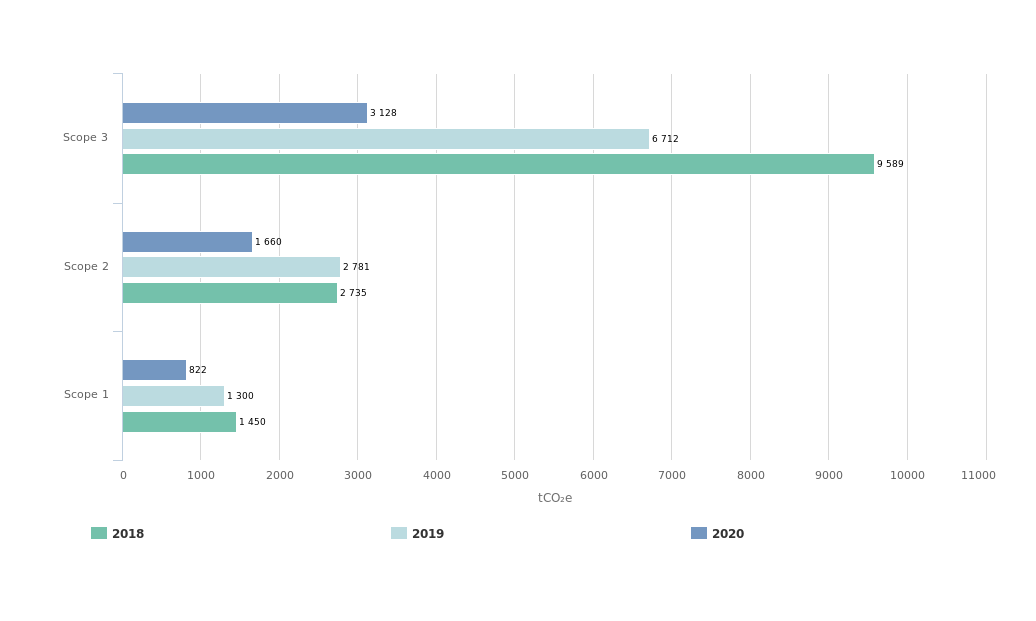
Scope 1 & 2 are our operations, and to reduce our impact, for the last 18 months, we have focused on Scope 2.
Now 67% of our sites purchase green energy, and Le Mans have created renewable energy from solar panels since June 2021.
Colart is on Carbon Neutral step (check out the presentation to understand the difference between carbon-neutral, zero-carbon and net-zero steps). Carbon neutrality is the balance between eliminating carbon and absorbing carbon emissions from carbon sinks.
Colart is working towards carbon neutrality, and to achieve this, we will work in 2022 to understand our full emissions, including Scope 3, and what it will take to succeed.
The next step is to have reduction targets in place and to have clear initiatives to implement them and by when.
And lastly, whatever we cannot remove/eliminate, we will offset.
This is in no way an easy task. Understanding our supply chain beyond the first tier is a massive project. We will work together with our teams across the business and create a project team to work towards Climate neutrality to ensure we are aligned with the Paris agreement and work towards the target of ensuring we protect our planet and not let it heat up beyond 1.5 degrees.