FAQs
Answering your questions
How detailed does the workflow need to be?
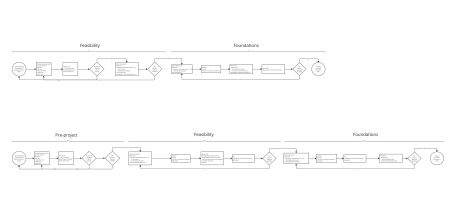
Each 'phase' of the scoping process needs to be 'enough' detail in order for it to proceed. This is defined by the PM and PO, in collaboration with the DS. So, for example, if the DS feel there is not enough information to create tasks for the first increment of work (maybe priorities aren't clear) then that needs to be addressed before the form is submitted. If the PO disagrees with the information in the form, the PM must amend it. And if the PM feels the PO has made all the requirements 'Must Have' then they can address this with the PO before any work proceeds.
Why is deadline not pre-determined?
Sometimes we have deadlines that are unavoidable, like annual events or contracts that have termination dates. In these cases, the scope of the project has to be (1) reasonable, and (2) prioritised so that the deadline can be met (if necessary by first descoping requirements that are 'Could Haves' and then descoping 'Should Haves'). In other projects, we need to give the DS the ability to estimate the entire project as a whole, without being pulled into too much detail. This means that they might be wrong about the complexity of some tasks at the point before they start working on them. As they know more, so the project end date becomes clearer. That is what the cone of Uncertaincy is, the more detail you know, means you can get a more accurate estimate.
What are the rules for MoSCoW prioritisation?
Why can't all my requirements be Must Have?
Who is supposed to size the requirements?